



















近期巴西总统大选备受国际关注,四川国际传播中心特邀巴西圣保罗ABC联邦大学(UFABC)国际关系学教授德梅特里奥·托莱多撰文,从拉丁美洲视角探讨巴西大选对国家发展、拉美地区自主发展以及中巴合作的影响。文章围绕巴西不同政治路线的选择,分析其对金砖国家、新开发银行及世界人工智能合作组织等多边合作机制的潜在影响,并探讨中巴关系未来发展的机遇与挑战。全文如下:
With Brazil’s presidential election drawing significant international attention, Sichuan International Communication Center has invited Demétrio Toledo, Professor of International Relations at the Federal University of ABC (UFABC) , São Paulo, Brazil, to contribute this article. From a Latin American perspective, Professor Toledo examines the implications of Brazil’s election for the country’s development, Latin America’s autonomy, and China-Brazil cooperation. The article explores how different political paths in Brazil could affect multilateral cooperation frameworks, including BRICS, the New Development Bank, and the World AI Cooperation Organization (WAICO), and discusses the opportunities and challenges facing China-Brazil relations. The full article follows:
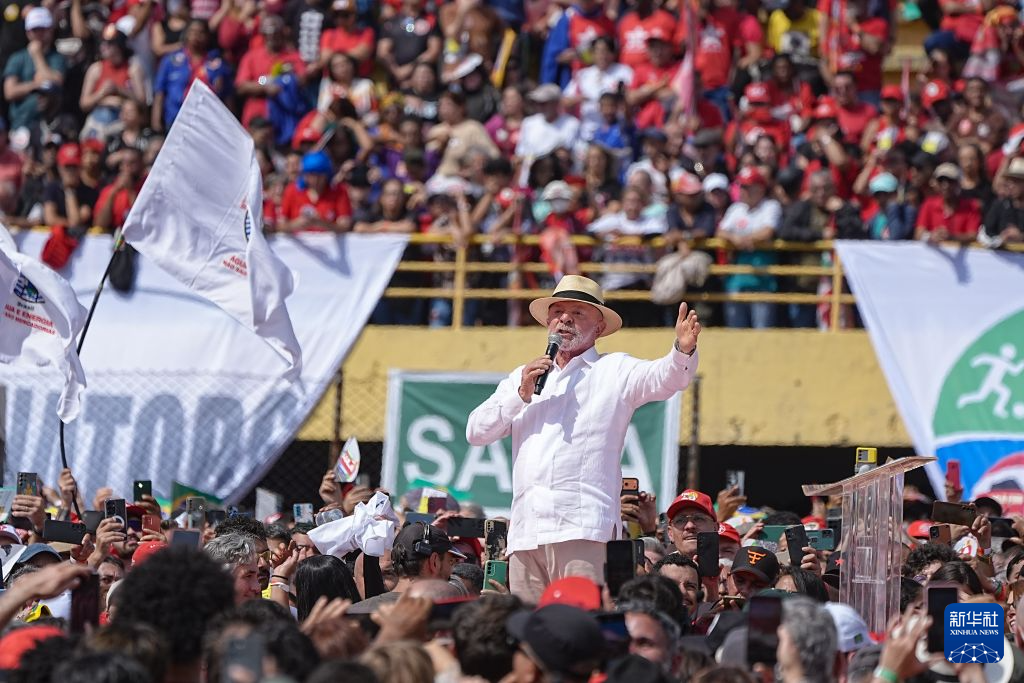
卢拉在总统竞选集会上讲话。图源:新华社
Lula speaks at a presidential campaign rally. Photo: Xinhua
当前,全世界的目光都聚焦于拉丁美洲面积最大的国家——巴西。毫不夸张地说,10月25日举行的巴西总统选举第二轮投票将决定整片拉美地区的命运。我认为,若路易斯·伊纳西奥·卢拉·达席尔瓦(Luiz Inácio Lula da Silva)胜选,将有助于增强巴西的主权、提升拉丁美洲的自主性,并深化中巴合作,无论是在金砖国家(BRICS)框架内,还是在世界人工智能合作组织(WAICO)等新兴倡议中。反之,若弗拉维奥·博索纳罗(Flávio Bolsonaro)当选总统,上述各方面都将受到削弱。当然,决定权完全在巴西人民手中。本文仅代表我的个人观点。
The eyes of the world are turned toward Brazil, the largest country in Latin America. It is no exaggeration to say that the destiny of the whole region will depend on the runoff election on Sunday, 25 October. My argument is simple. A victory for President Luiz Inácio Lula da Silva would strengthen Brazil's sovereignty, Latin America's autonomy and Brazil-China cooperation, both within the BRICS and in new initiatives such as the World AI Cooperation Organization (WAICO). A victory for Flávio Bolsonaro would weaken them all. The decision belongs, of course, to the Brazilian people alone; what I offer here is my reading of what is at stake.
目前看来,巴西正面临着两条截然不同的道路。一边是左翼总统候选人卢拉所主张的发展道路:推动经济、社会、环境和科技发展,其核心特征是主权和自决。另一边则是极右翼候选人弗拉维奥·博索纳罗(Flávio Bolsonaro)——前总统雅伊尔·博索纳罗(Jair Bolsonaro)之子。他的政治主张建立在两大支柱上:一是对巴西经济进行激进的“再初级化”改造,即重新使巴西经济依赖初级产品;二是屈从于美国,甚至甘愿接受新殖民主义地位。
As things stand, Brazil appears to be facing two very different paths. On one side stands the project of Lula, the candidate of the left: a programme of economic, social, environmental and scientific-technological development whose defining feature is sovereignty and self-determination. On the other stands Flávio Bolsonaro, the far-right candidate. He is the son of former president Jair Bolsonaro. His project rests on two pillars: a radical reprimarization of the Brazilian economy, meaning a return to dependence on primary commodities, and submission to the United States, to the point of a voluntarily accepted neocolonial status.
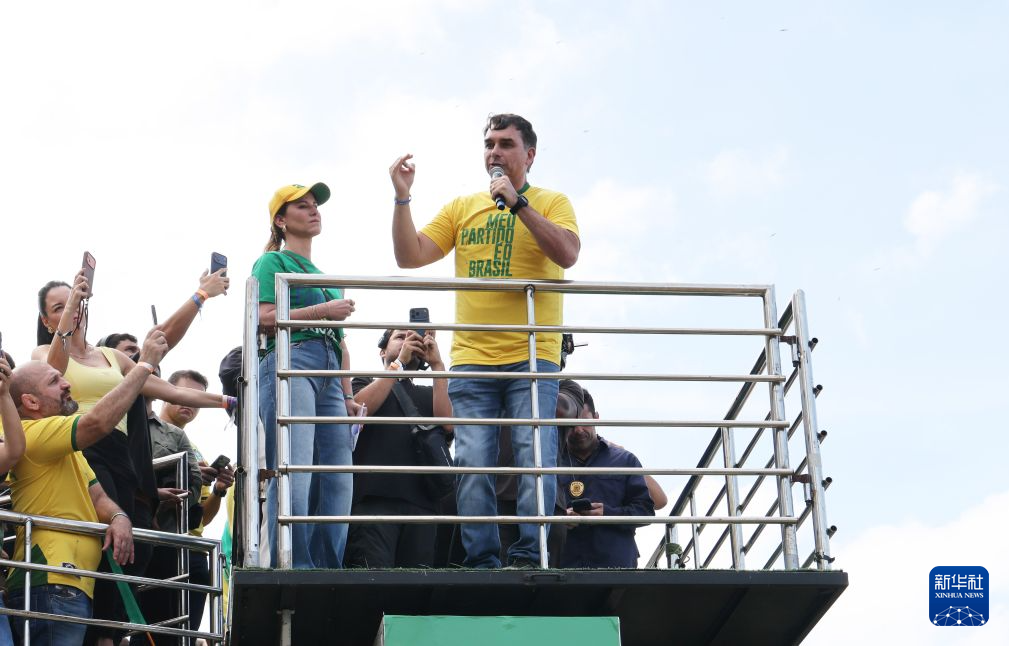
弗拉维奥·博索纳罗(前排右)在总统竞选集会上讲话。图源:新华社
Flávio Bolsonaro (front row, right) speaks at a presidential campaign rally. Photo: Xinhua
读到这里,我的中国读者可能会很震惊:一个国家精英阶层中的一部分人,也就是支持弗拉维奥·博索纳罗参选的那部分精英,竟然会把“重新沦为新殖民体系里的附庸”当作国家方案,并欣然接受。可这恰恰就是拉丁美洲历史上一个很特别的地方。
At this point, my Chinese readers may be shocked that part of a nation's elite, the part identified with Flávio Bolsonaro's candidacy, could embrace a return to neocolonial dependence as its national project. Yet this is one of the historically distinctive features of Latin America.
在我看来,卢拉与弗拉维奥·博索纳罗之间的较量是一场力量不对等的竞争。卢拉的支持者主要包括工人、农民、学生、社会运动团体、工会、进步知识分子和文艺工作者、城市中产阶级以及广义上的左翼力量。而支持弗拉维奥·博索纳罗的则包括大银行家、大型农业企业土地所有者、买办性质的实业家、军警系统高层,以及政治与社会立场保守的团体。
In my opinion, the contest between Lula and Flávio Bolsonaro is an unequal one. Behind Lula stand workers, peasants, students, social movements, trade unions, progressive intellectuals and artists, the urban middle classes and the left in general. Behind Flávio Bolsonaro stand the major bankers, the large agribusiness landowners, industrialists who have become compradors, significant sections of the armed forces and the police, and politically and socially conservative groups.
然而,弗拉维奥·博索纳罗的势力并不局限于国内。巴西极右翼势力还得到了美国总统唐纳德·特朗普(Donald Trump)以及美国大型科技公司亿万富翁所有者的支持。你可能会问:特朗普和科技巨头为何要干预巴西大选?原因很简单,弗拉维奥·博索纳罗曾承诺,要让巴西甘愿当美国利益的附庸,让巴西变成一个靠“自愿依附”形成的新殖民地。简单来说,这种殖民地里的精英不是被外国强权逼着低头,而是自己主动选择低头。美国关注此次大选的主要动机之一,就是要阻止拉丁美洲最大、最重要的国家继续深化与中国的合作。
Yet Flávio Bolsonaro's strength does not end with these domestic forces. Brazil's far right also enjoys the support of US President Donald Trump and of the billionaire owners of the American big tech companies. You might ask: why do Trump and the big tech companies interfere in Brazil's election? The reason is simple. Flávio Bolsonaro has promised to subordinate Brazil to American interests and make it a neocolony by adhesion, one whose elites are not forced into submission to a foreign power but choose it. One of the main motives behind American interest in this election is to pull the largest and most important country in Latin America away from its growing cooperation with China.
那么,目前选举形势如何?首轮投票结束后,弗拉维奥·博索纳罗以56104503票(占有效票的47.03%)略微领先,而卢拉获得53879538票(占有效票的45.16%),两者相差约220万票。然而,卢拉的优势恰恰在于巴西人民的反帝情绪、进步思想和民族情怀。第二轮竞选开始后,卢拉的支持率便持续攀升,这主要得益于全国各地声势浩大的动员活动,其中学生的参与尤为突出。最新民调显示,双方的支持率差距正在逐步缩小。因此,我个人预测卢拉将以微弱优势当选总统。
Where does the race stand? The first round ended with a slight advantage for Flávio Bolsonaro, who received 56,104,503 votes (47.03% of valid votes) against 53,879,538 (45.16%) for Lula, a difference of about 2.2 million votes. But Lula's strength lies precisely in the anti-imperialist, progressive and national sentiment of the Brazilian people. The runoff campaign opened with a rise in support for Lula, driven largely by huge mobilizations across the country, with strong student participation. The most recent polls show the gap narrowing steadily. For that reason, I believe Lula will win, though very likely by a narrow margin.
你可能还会问:遥远国度发生的这一切与中国有何关系?其实,关系比人们想象的更加密切。巴西和中国都有遭受殖民侵略和经济依附的历史,也共同怀有对主权和自主决策权的向往——这种向往在全球南方国家中普遍存在。中巴两国同为金砖国家(BRICS)创始成员国,此后双边关系日益紧密:合作关系最初集中于经济领域,随后拓展至政治和外交领域,如今又延伸至文化领域。这一切都植根于两国人民之间的深厚友谊与相互认同。
A Chinese reader might well ask what these matters of a distant land have to do with China. More than one might expect. Brazil and China share a history of colonial domination and economic dependence, and a common aspiration for sovereignty and self-determination, one shared across the Global South. The two countries were among the founders of the BRICS and have since built an ever closer relationship: first economic, then political and diplomatic, and now cultural, grounded in friendship and mutual admiration between our peoples.
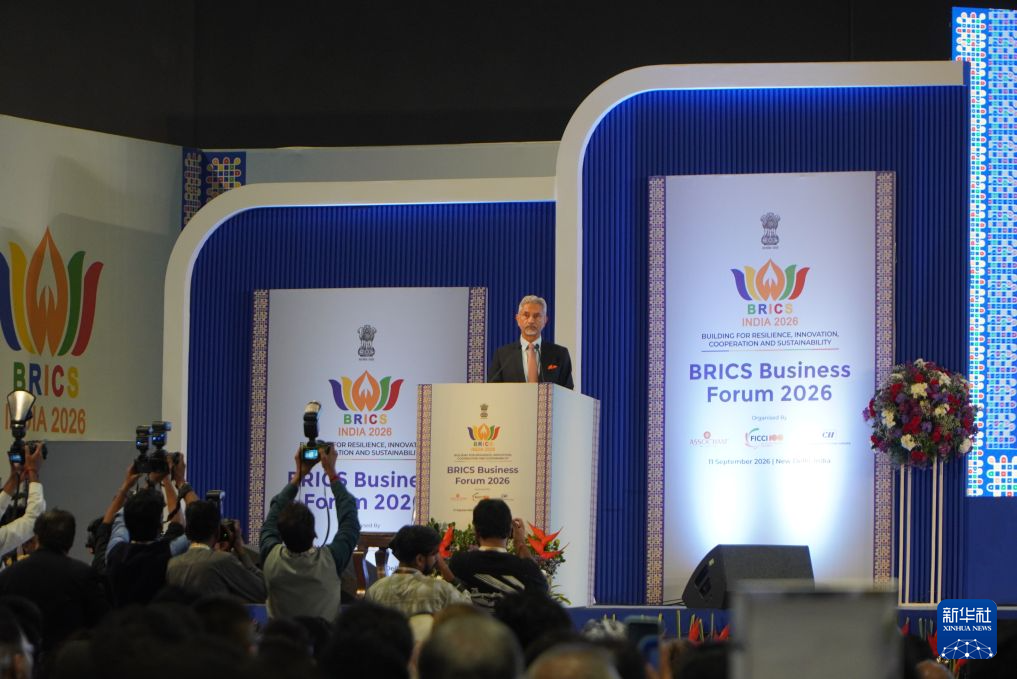
2026年9月在新德里举行的金砖国家工商论坛。图源:新华社
The BRICS Business Forum held in New Delhi in September 2026. Photo: Xinhua
这也正是此次选举对金砖国家未来至关重要的原因。如果卢拉胜选,作为金砖国家创始成员国的巴西将继续坚定地致力于推动该组织的深化发展与进步。一个坚持主权自主的巴西,自然会推动这个由自主发展国家共建的合作平台走深走实,助力构建多极化世界。相反,如果弗拉维奥·博索纳罗胜选,局面将截然不同。一个以屈从美国政府为政治目标、其支持者又希望巴西与中国保持距离的政府,几乎不可能继续在金砖国家中发挥领导作用。我认为,这样的政府不仅会降低巴西在该组织中的参与度,甚至可能让巴西彻底退出金砖国家,届时金砖国家将付出沉重代价——拉丁美洲最重要的国家离席而去。
That is why this election matters so much for the future of the BRICS. A Lula victory would keep Brazil, a founding member, firmly committed to the group's deepening and advancement. A Brazil devoted to sovereignty and self-determination has every reason to strengthen a platform for cooperation among countries that seek development with autonomy, and to help build a multipolar world. A Flávio Bolsonaro victory would point the other way. A government whose project is submission to Washington, and whose backers want Brazil to distance itself from China, can hardly sustain a leading role in the BRICS. In my assessment, such a government would scale back Brazil's participation in the group and might even pull the country out of it altogether. The BRICS would pay a heavy price: Latin America's most important country would leave the table.
新开发银行(New Development Bank)也遵循同样的逻辑。作为金砖国家自己的金融机构,该银行也是金砖国家携手合作的具体体现之一。我相信,在卢拉的领导下,以“主权发展”为宗旨的巴西,将成为巩固建设该银行的坚定伙伴;而在弗拉维奥·博索纳罗的领导下,如果巴西经济进一步“初级化”、外交政策转而以美国政府为导向,那么巴西几乎没有理由在这一由金砖国家共同创建的机构上投入政治资本。
The same logic applies to the New Development Bank, the group's own financial institution and one of the most concrete expressions of what the BRICS can build together. I believe a Brazil led by Lula, whose project is development with sovereignty, would be a committed partner in strengthening it. A Brazil led by Flávio Bolsonaro, with a reprimarized economy and a foreign policy oriented toward Washington, would have little reason to invest political capital in an institution created by the BRICS countries.
巴西大选的结果对世界人工智能合作组织同样意义重大。该组织由中国牵头,旨在推动围绕人工智能治理开展开放的国际合作。卢拉的政治主张以科技发展为核心,在他的领导下,巴西自然会将世界人工智能合作组织视为开展互利合作的最佳平台;倘若巴西一味屈从于美国利益,其参与这一组织的空间将十分有限。
The stakes are just as high for WAICO, the China-led initiative for open international cooperation on the governance of artificial intelligence. Lula's project places scientific and technological development at its centre, and a Brazil under his leadership would find in WAICO a natural forum for mutually beneficial cooperation. A Brazil subordinated to Washington's interests would have little room to participate.
此外,中巴人民之间日益深厚的友谊与相互认同,以及两国不断扩展的合作,也面临着考验。近期的民意调查揭示了一个令人担忧的现象:尽管中国是巴西最大的贸易伙伴,但包括大型农业企业土地所有者在内的巴西经济精英阶层对中国的态度已明显转冷,这主要源于该阶层根深蒂固的反共情绪和亲美倾向。卢拉若获胜,将有助于扭转这一趋势;而如果弗拉维奥·博索纳罗当选,这一趋势则可能主导巴西未来的发展方向。
At stake, too, are the growing friendship and admiration between our peoples and the broader cooperation between Brazil and China. Recent opinion polls reveal something worrying: although China is Brazil's largest trading partner, opinion toward China among Brazil's economic elite, including the large agribusiness landowners, has soured considerably, driven by that elite's deep-rooted anti-communism and pro-American sentiment. A Lula victory would push back against that current; a Flávio Bolsonaro victory would let it set the country's course.
全世界都在关注巴西,中国更有充分理由对此保持密切关注。此次大选不仅关系到巴西的未来,也关系到整个拉丁美洲的未来及该地区与中国关系的发展走向。
The world is watching Brazil, and China in particular has good reason to watch closely. Not only Brazil's future but that of Latin America, and of the region's relations with China, depends on this election.
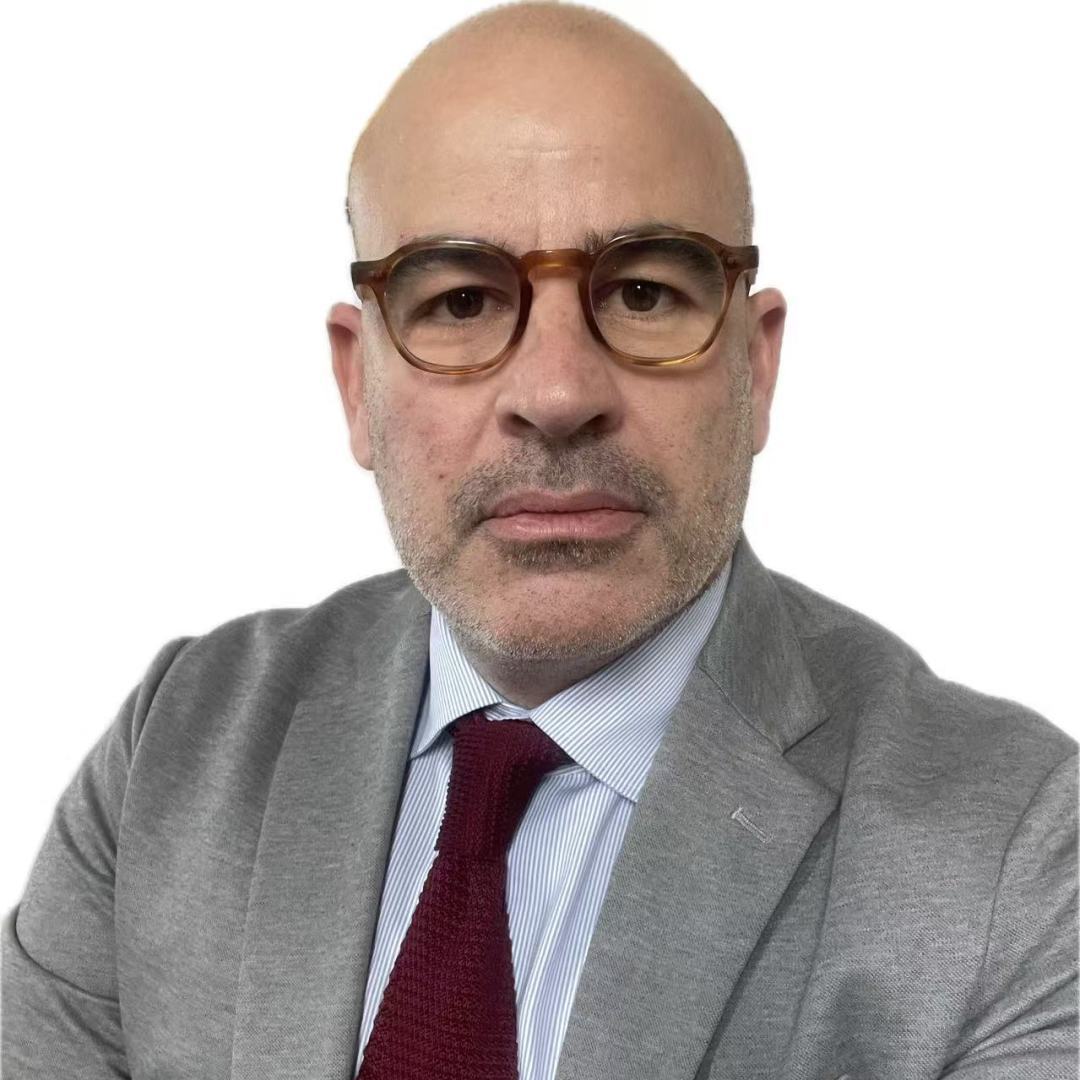
德梅特里奥·托莱多
德梅特里奥·托莱多是巴西圣保罗ABC联邦大学(UFABC)国际关系学教授,曾担任巴西发展、工业、贸易和服务部的特别顾问。他的研究主要聚焦于发展政治经济学,尤其关注产业政策以及科学、技术与创新政策在比较视角下所发挥的作用。
Demétrio Toledo is a professor of International Relations at the Federal University of ABC (UFABC), São Paulo, Brazil. Professor Toledo also served as a special advisor to Brazil's Industrial Development Agency and the country's Ministry of Development, Industry, and Trade. His work focuses on the political economy of development, with a particular interest in the role of industrial and science, technology, and innovation policies in a comparative perspective.
已获得本文转载及翻译授权
Reproduction and translation rights have been obtained.
【未经授权,严禁转载!联系电话028-86968276】