



















巴西政府5月7日宣布,自2026年5月11日起,对持普通护照的中国公民实施免签入境政策,每次入境最长可免签停留30天。四川国际传播中心特邀巴西圣保罗ABC联邦大学(UFABC)国际关系学教授德梅特里奥·托莱多就中国与巴西互免短期签证政策对促进两国人文经贸深度交融的深远意义,作出解读。正文如下:
The Brazilian government announced on May 7 that it will grant visa-free entry to Chinese citizens holding ordinary passports starting on May 11. Under this arrangement, eligible travelers can stay in Brazil for up to 30 days per visit. The Sichuan International Communication Center has invited Professor Demétrio Toledo, Professor of International Relations at the Federal University of ABC UFABC, São Paulo, Brazil, to provide an in-depth analysis of the far-reaching significance of the mutual short-term visa exemption policy between China and Brazil in promoting deeper cultural, economic, and trade integration between the two countries. The full text is as follows:
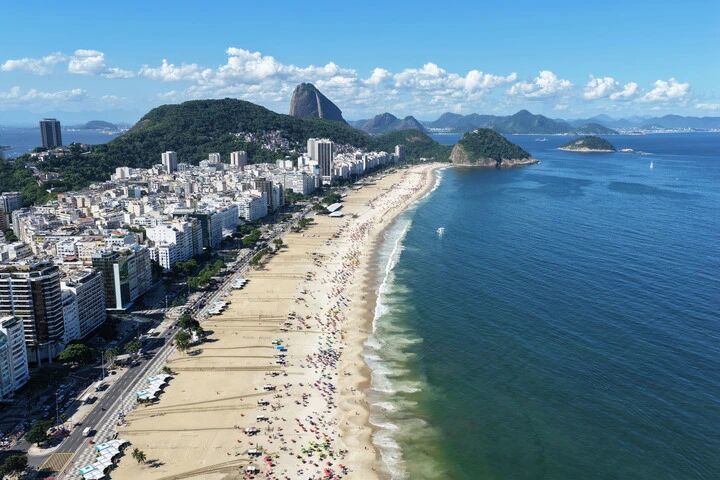
这是无人机拍摄的巴西里约热内卢科帕卡巴纳海滩。(图源:新华社)
An aerial drone photo taken on March 27, 2026 shows a view of Copacabana Beach in Rio de Janeiro, Brazil.(Credit: Xinhua)
2026年4月下旬我到四川成都旅游时,受益于中国对巴西公民实施的免签政策。落地中国后,我通过手机应用程序填好电子入境卡,在北京转机时,边检官员简单询问了目的地,便利落盖章放行。没有繁琐的手续,也没有死板的时限,整个入境过程轻松得让人意外,旅途的心情也因此大不相同。
I benefited from China's visa waiver for Brazilians when I visited Chengdu, Sichuan in late April 2026. I traveled with a valid passport and completed China's electronic entry form (via Alipay). In Beijing, on my connection to Chengdu, immigration was quick. The officer asked where I was going, stamped my passport, and handed it back. I entered China without consular deadlines or having to reorganize my schedule around visa steps. This small detail changes the mood of the trip.
这是我第三次来中国。回想2019年和2024年的前两次行程,那时候来中国的时候还需要办签证。虽说当时中国驻巴西总领馆的服务已很周到,但缴费、面签,既耗时间,又需要提前周密规划。对于那些不住在大城市的人来说,还得额外承担路途成本。
It was my third trip to China. On earlier trips, in 2019 and 2024, I needed a visa. The Consulate General of the People's Republic of China provided excellent service. Still, the process required a fee and an in-person visit. That takes time and planning. For those who live outside major capitals, it can mean extra travel costs.
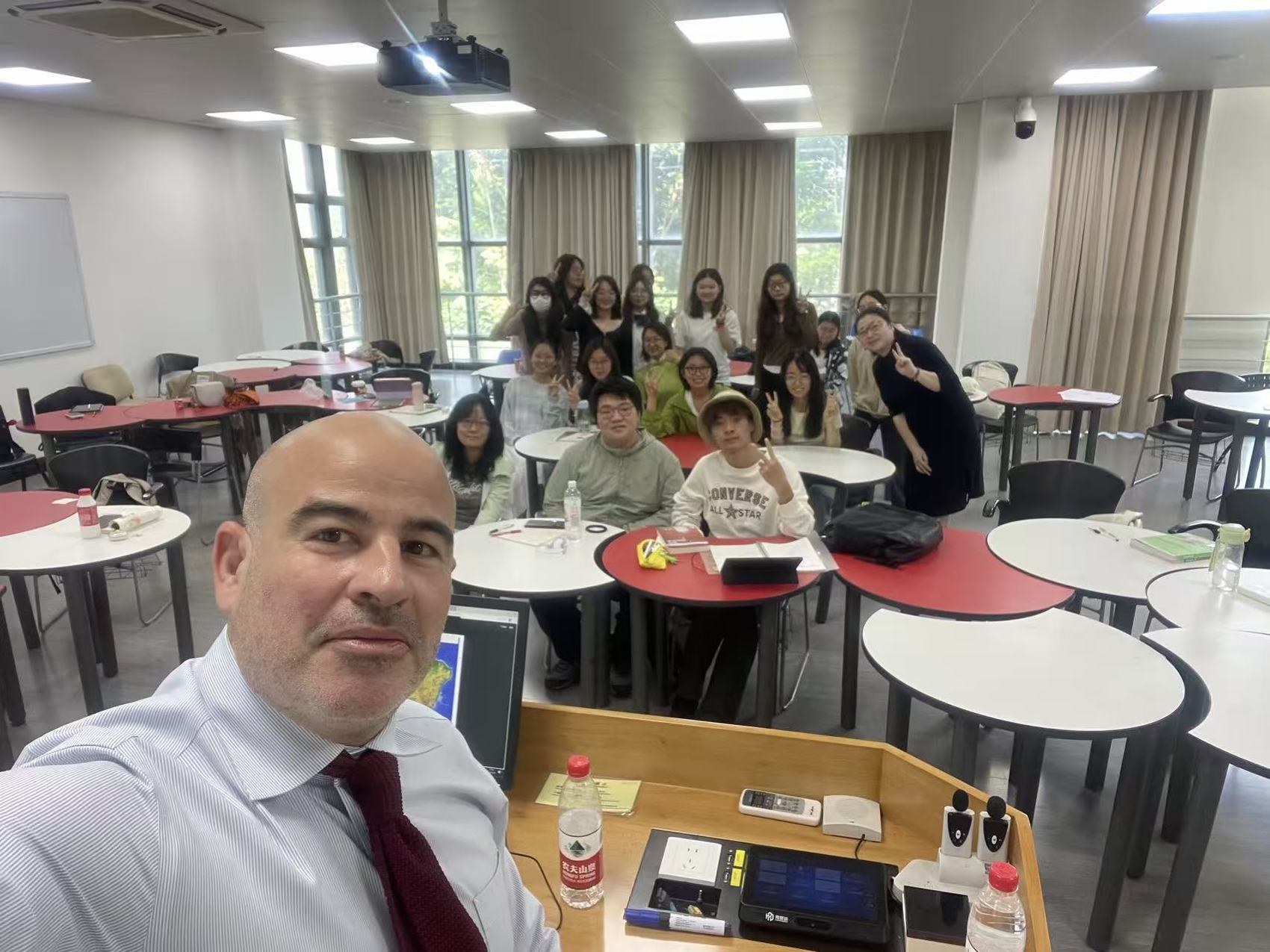
德梅特里奥·托莱多拍摄于成都市。
The photo was taken by Demétrio Toledo in Chengdu.
正因如此,中巴互免签证的意义才如此深远。30天的期限,恰恰契合了大多数人出行的实际需求。它让旅行更加便捷,人们不再被冗长的流程和隐形的门槛劝退。
This is why it is so significant for both China and Brazil to offer visa-free policies to each other's citizens. The 30-day limit fits how people actually travel. It also makes tourism easier, without turning entry into a long and costly process.
5月7日,巴西政府宣布,自2026年5月11日起,持有效普通护照的中国公民来巴西旅游、经商、过境以及从事文艺或体育活动的中国公民,可免签入境。这项决定不仅仅是程序上的调整,同时也将切实影响人们的选择。基于对等原则,巴西允许中国公民在巴最长停留30天。这传递出一个信号:中巴两国之间的外交关系,能通过这项免签政策,转化为人民与人民之间的紧密联结。
On May 7, Brazil's government has announced a visa waiver for Chinese citizens on short stays in Brazil. It will cover tourism, business, family visits, and transit from May 11, 2026. This is one of those decisions. It is more than a procedural change. It will shape real choices. By allowing stays of up to 30 days (on a reciprocal basis), Brazil signals trust. It shows that mobility is a simple—and powerful—way to turn diplomatic ties into ties between people.
巴西的这一步伐,是对中方此前类似举措的积极呼应。自2025年6月1日至2026年5月31日,中国对持普通护照的巴西公民来华经商、旅游观光、探亲访友、交流访问、过境不超过30天,可免签入境。一来一往之间,互免签证释放的信号清晰而强烈:中巴两国所追求的,是更频繁的面对面交流,而非仅仅停留在纸面上的伙伴关系。
Brazil's move follows a similar step by China. Since June 1, 2025, Brazilians have been able to enter China visa-free for business, tourism, family visits, or transit, for stays of up to 30 days. The policy will remain in effect until May 31, 2026. Taken together, the two decisions send a clear message: both countries want more face-to-face contact, not only partnership on paper.
中国和巴西两国的旅客绝大多数行程不会超过30天。这些行程通常可分为两类:第一类是商务出行,包括公务访问、技术考察、合同谈判、参展参会及合作伙伴会晤等;第二类是旅游观光,出于对古老文明、现代都市风貌及独特自然景观的好奇。
Most trips between China and Brazil last less than 30 days. They usually fall into two groups. The first is business travel: missions, technical visits, contract talks, trade fairs, and meetings with partners. The second is tourism, driven by curiosity to see ancient cultures, modern cities, and landscapes.
就商务出行而言,签证互免的好处显而易见。中国与巴西经贸往来本就十分紧密。自2009年起,中国便一直是巴西最大的贸易伙伴。双方还在金砖国家等国际合作组织中携手合作。人员往来的便利化,将直接转化为贸易与投资活动的效率提升。
For business, the benefits are clear. Trade between China and Brazil is already strong. China has been Brazil's largest trading partner since 2009. They also work together in major cooperation organizations, including BRICS. It gets more efficient when travel is easier.
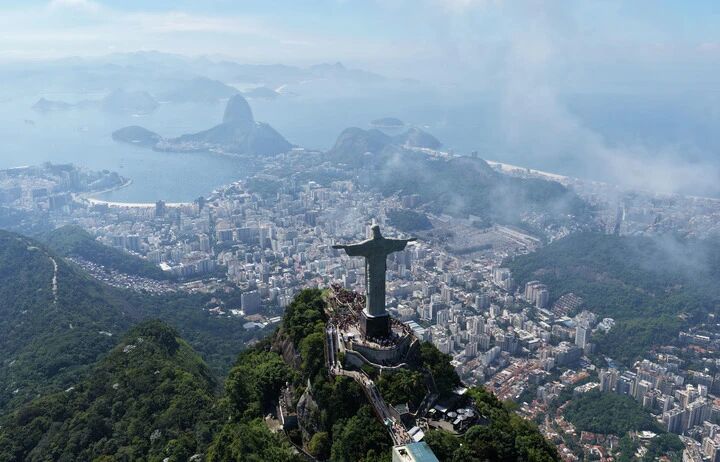
这是无人机拍摄的巴西里约热内卢基督像和市区风光。(图源:新华社)
An aerial drone photo shows the Christ the Redeemer statue and the cityscape in Rio de Janeiro, Brazil.(Credit: Xinhua)
而在旅游及民间人文交流领域,变化或将更为显著。免签政策能够深化中巴两国人民的相互理解。它能让两国民众跳出明信片上的刻板印象,去接触两国人民真实的日常生活:美食、市集、博物馆、公园以及街头巷尾的烟火气。对于构建中巴双方共同未来而言,人文交流至关重要。
Tourism may see the biggest change. So may the everyday exchanges between ordinary people. A visa waiver can deepen mutual understanding between Chinese and Brazilians. It shows each side not only postcards, but daily life: food, markets, museums, parks, and street life. For a shared future, few things matter more than people-to-people exchange.
2026年4月的四川之行,对我而言并非一次普通的境外旅行,而是一次感知真实中国的深度体验。成都市以其高效的城市运行与包容的社会氛围迎接八方来客。在与当地商户及服务业人员的交流中,我深切感受到了他们对于一个来自巴西的外国人的好奇与尊重。可以预见,随着免签政策的落地,巴西亦将迎来更多中国游客。他们将品尝到地道美食,漫步历史街区,沉浸于音乐、艺术与自然景观之中。当然也会和巴西人民一起谈天说地。
When I visited Sichuan in late April 2026, it was not just "a trip to China." It felt like meeting China as it is. The city welcomed visitors with ease, and transport ran smoothly. I had simple conversations in shops and restaurants, and I sensed respectful curiosity about Brazil. It is not hard to imagine the same effect in the other direction. More Chinese visitors would would taste regional food, walk through historic centers, and enjoy music, art, and nature. And they would talk with Brazilians in everyday settings, without formality.
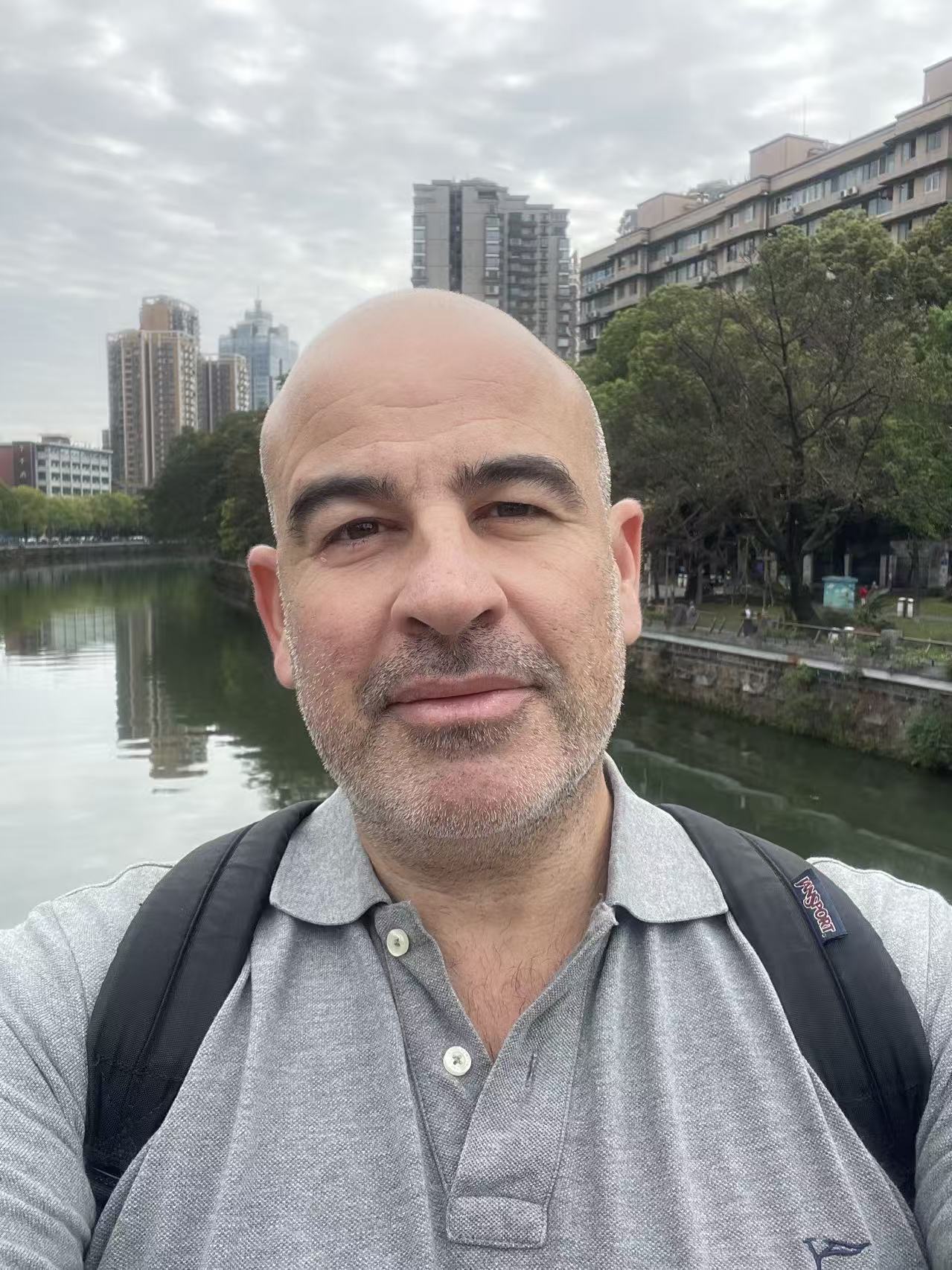
德梅特里奥·托莱多拍摄于成都市锦江河畔。
The photo was taken by Demétrio Toledo in Chengdu Jinjiang River.
在如今这个全球充满不确定性的时代,促进不同国家间的人员流动,是维护和平、深化合作的有效路径。中巴伙伴关系在经济与制度层面已具备稳固根基,而免签措施则促使这一伙伴关系进一步下沉,融入两国民众的日常生活。当国家间关系演化为普通民众间的理解与友谊时,双边共同未来的蓝图便有了现实的依托。
In a time of global uncertainty, making it easier for societies to meet is a practical way to strengthen peace and cooperation. The China-Brazil partnership is already solid in economic and institutional terms. A shared future takes shape when relations between countries become real knowledge and friendship between ordinary people.
回顾此次四川之行,我愈发确信:旅行便利性的提升,能够有效激发人们对陌生地域的好奇心,进而催生尊重、共情与友谊。期待中巴双方充分利用免签政策带来的红利,进一步拓展直航航线、完善旅游服务体系、支持各类交流与文化项目。归根结底,最好的外交,是为人们创造更多相互结识、往来沟通的空间。
My time in Sichuan left me with a simple belief: when travel becomes lighter and more accessible, curiosity grows—and with it, a real chance for respect, empathy, and friendship. China and Brazil should use this momentum well. They can expand routes, improve traveler information, and support exchanges and cultural initiatives. In the end, the best diplomacy makes room for more people to meet.

德梅特里奥·托莱多
德梅特里奥·托莱多是巴西圣保罗ABC联邦大学(UFABC)国际关系学教授,曾担任巴西发展、工业、贸易和服务部的特别顾问。他的研究主要聚焦于发展政治经济学,尤其关注产业政策以及科学、技术与创新政策在比较视角下所发挥的作用。
Demétrio Toledo is a professor of International Relations at the Federal University of ABC UFABC, São Paulo, Brazil. Professor Toledo also served as a special advisor to Brazil's Industrial Development Agency and the country's Ministry of Development, Industry, and Trade. His work focuses on the political economy of development, with a particular interest in the role of industrial and science, technology, and innovation policies in a comparative perspective.
已获得本文转载及翻译授权
Reproduction and translation rights have been obtained.
【未经授权,严禁转载!联系电话028-86968276】