



















作为中国国家治理最重要的形制之一,一年一度的全国两会今日开启,备受国际社会关注,是外界观察中国谋划内政外交、国计民生的重要窗口。
The fourth session of the 14th National Committee of the Chinese People's Political Consultative Conference opened on Wednesday, one day before the opening of the fourth session of the 14th National People's Congress. The Two Sessions have also drawn global attention and offer as a window into how the country aims to advance its high-quality development and sustain the momentum of its reform in an ever-changing global landscape.
孟加拉国资深记者阿尔·马蒙·哈伦·乌尔·拉希德在《国家独立报》发表评论文章,聚焦2026年全国两会,从孟加拉国媒体视角解读如何与中国在全球南方框架下实现互补共赢。该文已由拉希德授权四川国际传播中心进行双语发布。全文如下:
Al Mamun Harun Ur Rashid, a senior journalist from Bangladesh, has published a commentary in The New Nation focusing on the China’s Two Sessions 2026. In the article, he offers insights from the perspective of Bangladeshi media on how countries can achieve mutually beneficial cooperation with China within the Global South framework. The article has been authorized by Rashid for bilingual release by the Sichuan International Communication Center. The full text is as follows:
孟加拉国《国家独立报》网站报道截图
报道链接:https://dailynewnation.com/news/807016/
在全球经济步入技术分化、供应链重组和地缘政治持续紧张的时代背景下,世界的目光再度聚焦北京,关注一年一度的两会。
As the global economy enters a period of technological fragmentation, supply chain realignment and strategic rivalry, attention is turning once again to Beijing. The annual Two Sessions known as Lianghui.
第十四届全国人民代表大会第四次会议和中国人民政治协商会议第十四届全国委员会第四次会议,分别于2026年3月5日和3月4日开幕。全国人代会将审查批准《中华人民共和国国民经济和社会发展第十五个五年规划纲要草案》(简称“十五五”规划纲要草案)。这份路线图不仅是中国国内发展的蓝图,更为孟加拉国等合作伙伴提供了广阔机遇。
The fourth session of the 14th National Committee of the Chinese People's Political Consultative Conference opened on March 4, one day before the opening of the fourth session of the 14th National People's Congress. The Two Sessions serve as the ultimate platform for ratifying China’s 15th Five-Year Plan (2026-2030). This roadmap is not merely a domestic blueprint; it is a recalibrated strategy for high-quality, innovation-driven growth that offers profound opportunities for partners like Bangladesh.
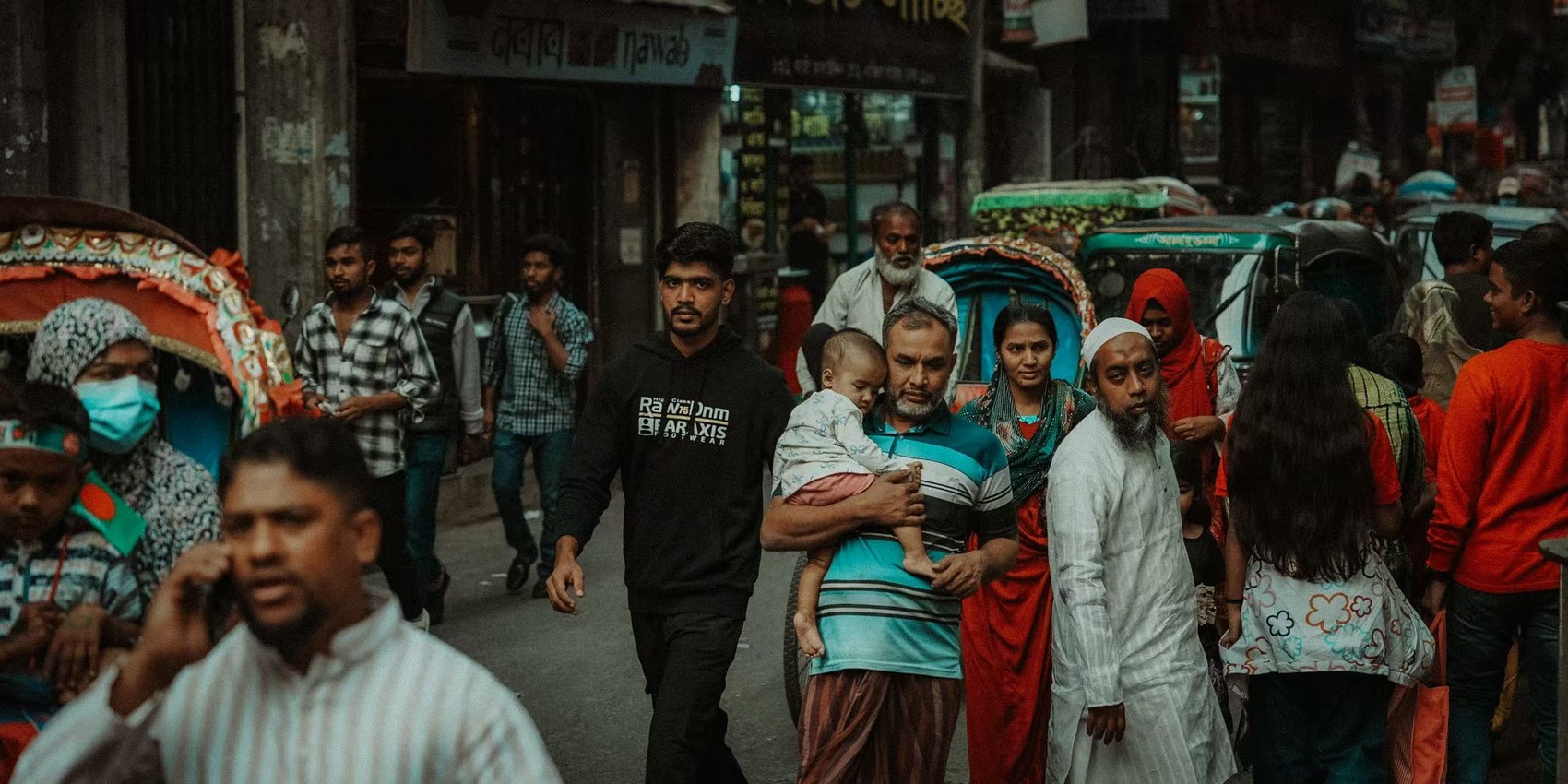
孟加拉街头
对于投资者、政策制定者与新兴经济体而言,中国两会所释放的政策信号具有关键风向标意义。它为中国的财政政策立场、产业优先发展方向、监管改革及地缘政治态势提供了权威的政策路线图。在技术分化、供应链重组、地缘政治持续紧张的背景下,中国释放的信号将产生全球性影响。
For investors, policymakers and emerging economies alike, the significance of these meetings extends far beyond procedural formality. The Two Sessions provide the authoritative policy roadmap for China’s fiscal stance, industrial priorities, regulatory reform and geopolitical posture. In a period defined by technological fragmentation, supply chain realignment and persistent geopolitical tension, the signals emanating from Beijing carry global consequences.
其中,“新质生产力”成为核心焦点。这一概念涵盖人工智能(AI)、生物技术、半导体和可再生能源系统等前沿领域,标志着中国正加速向高科技产业攀升。随之而来的,是部分劳动密集型产业向更具成本优势的地区进行梯度转移。这为孟加拉国等具备承接条件的经济体融入区域价值链、优化自身产业结构打开了时间窗口。
Equally significant is the emphasis on “new productive forces” – frontier sectors such as artificial intelligence (AI), biotechnology, semiconductors and renewable energy systems. As China consolidates its position in high-technology industries, lower-end manufacturing segments are expected to relocate to more cost-competitive destinations. This structural shift creates opportunities for developing economies prepared to integrate into evolving regional value chains.
中孟经贸关系的坚实基础为此提供了支撑。中国已是孟加拉国最大贸易伙伴,并自2024年12月1日起,给予孟100%税目输华产品零关税待遇。这一举措有效缓冲了孟加拉国在全球其他市场优惠贸易安排可能缩减所带来的压力。未来,若双边能就自由贸易协定或经济伙伴关系协定达成共识,市场准入将更为稳固,贸易壁垒有望进一步降低。
China already stands as Bangladesh’s largest trading partner. Bangladesh enjoys zero-tariff treatment for 100 percent tariff lines exported to China starting from 1 December, 2024, providing an important cushion as preferential arrangements in other markets begin to phase out. Discussions surrounding a potential bilateral Free Trade Agreement or Economic Partnership Agreement could further consolidate market access and reduce tariff barriers.
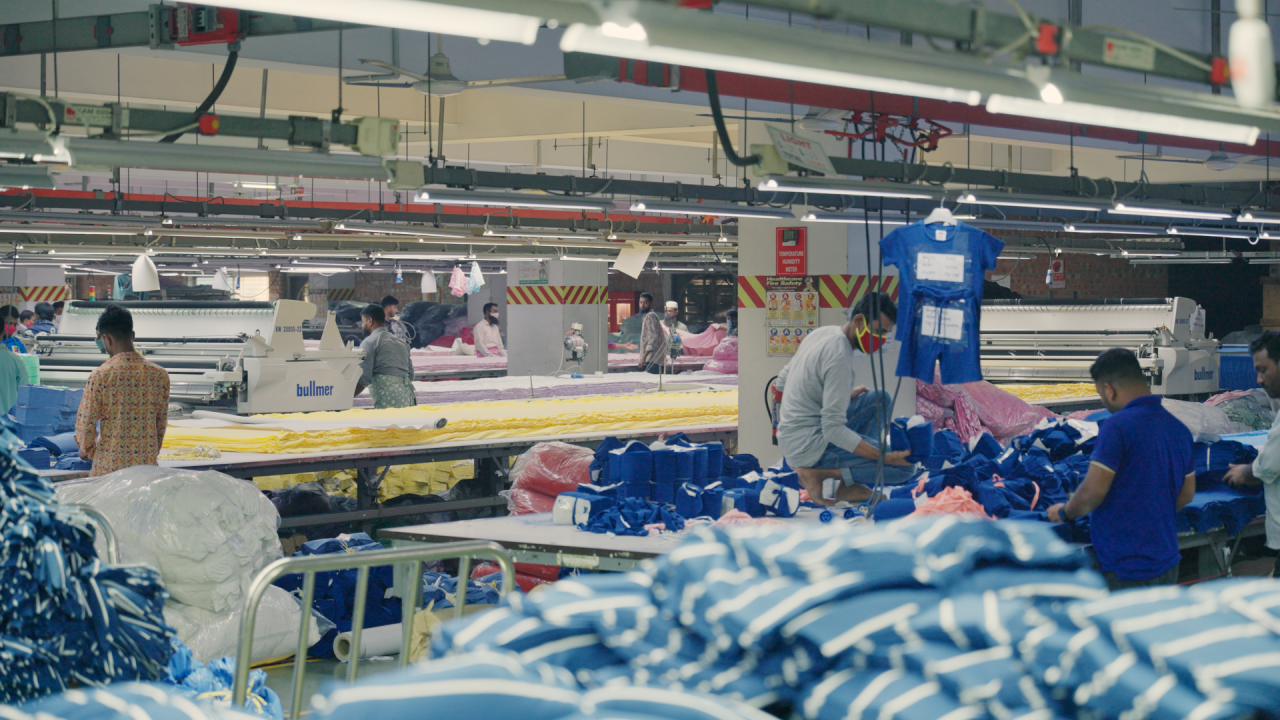
孟加拉国某纺织企业车间内一片繁忙
产业合作是双方融合最直接的领域。孟加拉国的成衣业占出口收入总额的80%以上,从业人员约400万人,放眼全球一直具有竞争力。但长远发展需向价值链上游攀升,而非局限于低附加值环节。面对中国产业升级带来的转移机遇,孟加拉国需通过优化投资政策、改善营商环境,主动吸引契合其发展阶段的优质产能,推动本国制造业的转型升级。
Industrial cooperation constitutes one of the most tangible areas of convergence. As wages rise in China and production shifts towards advanced sectors, labour-intensive industries – textiles, light manufacturing and components assembly – are likely to seek relocation. Bangladesh’s ready-made garment sector, which accounts for more than 80 per cent of export earnings and employs approximately four million workers, remains competitive. However, the long- term objective must be industrial upgrading rather than mere expansion of low-value assembly. As a result, the government of Bangladesh should pay more attention to easing the policies to attract the investors.
绿色转型构成另一重要维度。中国在新能源汽车、锂电池、光伏产品(俗称“新三样”)领域的全球领先地位,对全球能源市场和气候政策具有深远影响。面对能源需求快速增长及燃油进口带来的外部脆弱性,孟加拉国可加强与中国在可再生能源部署、电网现代化以及能源储存技术方面合作,助力孟加拉国实现能源安全和提升气候适应能力的双重目标。
The green transition presents another critical dimension. China’s leadership in electric vehicles, lithium-ion batteries and solar panel manufacturing – often described as the “new three” industries – has global implications for energy markets and climate policy. Bangladesh, facing rising energy demand and external vulnerabilities linked to fuel imports, can benefit from cooperation in renewable deployment, grid modernisation and energy storage technologies. Such collaboration would support both energy security and climate resilience objectives.
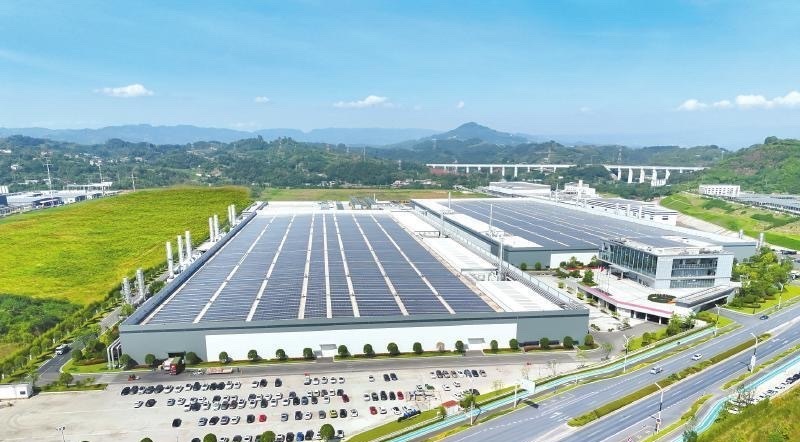
中国光伏企业和光同程厂区(图源:川观新闻)
此外,在农业与粮食安全领域,面对气候变化威胁,双方在杂交育种、卫星遥感监测、精准农业、乡村振兴等方面合作潜力巨大,有助于提升孟加拉国农业抗风险能力与农村发展水平。
Agriculture and food security also warrant attention as climate volatility poses growing risks to productivity. Joint initiatives in hybrid seed research, satellite-based monitoring and precision farming technologies including rural revitalisation offer pathways to enhance resilience and diversify rural incomes.
从更宏大的地缘政治视角看,两会一贯强调中国致力于“倡导平等有序的世界多极化”和维护全球供应链稳定,为中小国家提供了重要的政策预期。对孟加拉国而言,在深化对华务实合作的同时,保持伙伴关系多元化,是维护战略自主性的明智之举。
The broader geopolitical context further reinforces the need for strategic calibration. The Two Sessions frequently articulate China’s commitment to an “equal and orderly multipolar world” and to stability in global supply chains. For smaller economies, predictability in major power policy reduces systemic risk. Yet maintaining diversified partnerships remains essential to safeguarding strategic autonomy.
总之,在全球治理体系正遭遇严峻挑战的当下,中国的两会为外界了解中国的政策走向提供了重要窗口。对孟加拉国而言,机遇已然显现。关键在于能否主动谋划,将中国的产业转型、技术发展与合作意愿,有效转化为推动本国工业化、现代化与可持续发展的强大动力。通过创新与可持续导向的伙伴关系,孟加拉国完全有可能补齐发展短板,在全球价值链中迈向更高位置,最终实现国家复兴与人民福祉提升的双赢未来。
Ultimately, the Two Sessions offer a window into China’s policy trajectory at a time when global governance structures face strain. For Bangladesh, the imperative is not passive observation but strategic engagement. As the world watches Beijing this March, Bangladesh must not merely watch – it must be prepared to act, transforming these global policy shifts into a catalyst for its own national rejuvenation. By bridging its developmental gaps through innovation and sustainability-led partnerships, Bangladesh can move up the global value chain on its own terms, ensuring a “win-win” outcome for its people and its future.

阿尔·马蒙·哈伦·乌尔·拉希德
阿尔·马蒙·哈伦·乌尔·拉希德,孟加拉国当地英文主流媒体《国家独立报》资深记者兼外交事务通讯员,拥有超过十五年专业经验,专注于孟加拉国及南亚地区的外交政策、国际关系与治理议题报道。
Al Mamun Harun Ur Rashid, senior journalist and diplomatic correspondent of the New Nation, a leading English-language mainstream newspaper in Bangladesh. With over fifteen years of professional experience, he specializes in covering foreign policy, international relations, and governance issues concerning Bangladesh and the South Asian region.
已获得本文转载及翻译授权
Reproduction and translation rights have been obtained.
【未经授权,严禁转载!联系电话028-86968276】